Retro Bowl is an exciting American football game that combines classic pixel graphics, strategic team management, and entertaining on-field action. With simple controls and challenging decisions, the game offers an enjoyable experience for both casual players and dedicated football fans. Every match provides an opportunity to improve passing accuracy, develop talented players, and guide a team toward championship glory.
Whether you are discovering Retro Bowl for the first time or looking for ways to improve your performance, understanding the gameplay mechanics can make every season more rewarding. From building a competitive roster to making smart decisions during crucial moments, success depends on more than simply scoring touchdowns.
What Is Retro Bowl?
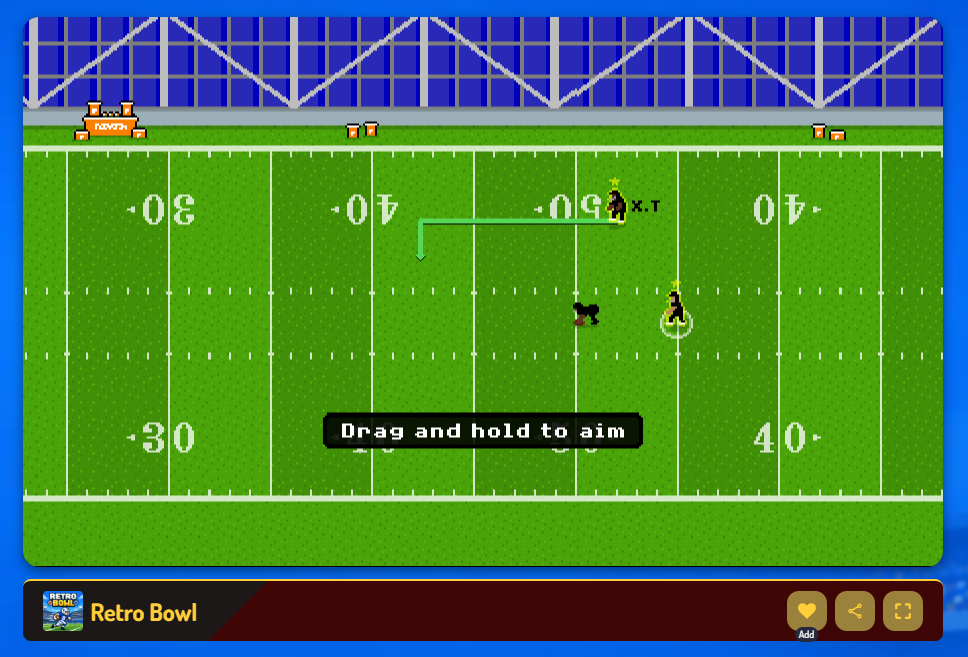
Retro Bowl is a retro-inspired American football game that blends arcade-style gameplay with management simulation. Its pixel-art presentation recalls classic sports games, while its strategic systems introduce meaningful decisions throughout a season. Players take control of a football franchise and work to establish a successful team.
Unlike many modern sports games that rely on complex controls and realistic graphics, Retro Bowl focuses on accessible mechanics and thoughtful planning. Players can enjoy exciting offensive plays while also handling responsibilities related to team development, morale, and financial resources.
Classic Graphics and Modern Gameplay
One of the most recognizable features of Retro Bowl is its colorful pixel-art design. The simple visual style creates a nostalgic atmosphere without making the action difficult to follow. Players can quickly recognize teammates, opponents, and important moments during each match.
Despite its retro appearance, the gameplay offers plenty of depth. Passing decisions, player positioning, and defensive pressure can influence the outcome of a game. This combination makes Retro Bowl appealing to players who appreciate classic presentation alongside modern strategic elements.
A Football Experience Built Around Decisions
Retro Bowl places considerable emphasis on decision-making. Players must evaluate situations, select suitable plays, and determine when to take risks. A long pass might produce a spectacular touchdown, but an inaccurate throw could give the opposing team an opportunity to recover.
Outside the stadium, management choices also affect long-term performance. Recruiting talented athletes, improving facilities where available, and maintaining team morale can help create a more competitive franchise.
How to Play Retro Bowl
Learning the basic controls is straightforward, but mastering the game requires practice. Each offensive possession presents different opportunities, and players must react to changing situations throughout a match.
Master Passing and Offensive Movement
Passing is one of the most important skills in Retro Bowl. Players generally aim by controlling the direction and distance of a throw, then release the ball when the intended trajectory looks appropriate. Understanding how far a receiver can travel and how defenders are positioned helps improve accuracy.
Short passes are useful when a receiver has limited space or when a reliable completion is needed. Longer throws can create major gains, especially when a teammate has enough room to move downfield. However, aggressive passing also introduces greater risk.
Running plays provide another way to advance toward the end zone. They can be especially valuable when defenders leave an opening or when a safer offensive approach is preferable. Combining running and passing creates a more flexible strategy.
Read the Field Before Making a Play
Successful players pay attention to defensive positioning before committing to a throw. A receiver who appears open at the beginning of a play may become covered moments later. Observing available space and anticipating movement can reduce turnovers.
It is also important to consider the distance required for a first down or touchdown. A short, accurate completion may be more useful than an ambitious pass that offers little chance of success. Consistent progress often creates better scoring opportunities over the course of a game.
Build a Strong Team in Retro Bowl
Individual skill can decide a single play, but a well-balanced roster helps maintain performance throughout an entire season. Team management is therefore an essential part of the Retro Bowl experience.
Recruit Players Who Match Your Strategy
Different positions contribute to different aspects of football. A talented quarterback can improve passing consistency, while reliable receivers help turn accurate throws into significant gains. Strong offensive and defensive players can also make the team more competitive across different situations.
When evaluating potential recruits, consider both ability and overall roster needs. Spending resources on one impressive player may not be the best decision if several important positions remain weak. A balanced lineup often provides greater flexibility during difficult matches.
Improve Team Morale and Development
Team morale can influence the overall management experience. Players who feel supported are more likely to contribute to a stable team environment, making morale an important consideration alongside athletic ability.
Coaching decisions, roster changes, and successful performances can affect the atmosphere surrounding a franchise. Managers should pay attention to player feedback and avoid making unnecessary changes that disrupt team stability.
Developing promising athletes can also provide long-term benefits. Investing in younger talent may help establish a strong foundation for future seasons, especially when financial resources are limited.
Effective Strategies for Winning More Games
Winning consistently requires a combination of accurate execution, careful planning, and an understanding of game situations. Instead of relying on one approach, successful players adapt their tactics to the opponent and the available opportunities.
Choose Safe Plays at Important Moments
Risk management becomes especially important when a game is close. An unnecessary interception can quickly change the momentum, while a reliable completion may keep the offense moving toward a winning score.
When protecting a lead, prioritize possession and avoid forcing difficult throws. When trailing late in the game, a more aggressive strategy may be necessary. Recognizing the difference between these situations helps players make smarter decisions.
Manage the Clock and Scoring Opportunities
Time management is another important part of football strategy. Players should consider the remaining time, current score, and number of possessions available before choosing an offensive approach.
When time is running out, quick completions and efficient movement can help preserve scoring opportunities. When leading, controlling possession may prevent the opponent from receiving another chance to score.
Field position also matters. Moving closer to the end zone can improve the likelihood of scoring, so every completed pass or successful run should support a clear objective.
Why Retro Bowl Remains Entertaining
Retro Bowl succeeds because it combines accessible gameplay with meaningful long-term progression. New players can understand the basic mechanics quickly, while experienced players can spend many seasons refining their strategies and building stronger teams.
Nostalgic Design With Lasting Appeal
The retro graphics create a distinctive identity that separates Retro Bowl from visually complex sports simulations. Its presentation keeps attention focused on football rather than unnecessary visual details.
The straightforward controls also make individual matches easy to enjoy during short breaks. At the same time, season progression encourages players to return and improve their franchise over time.
Replay Value Through Team Management
Every season offers new challenges. Roster adjustments, difficult opponents, financial limitations, and championship ambitions create different management situations. Players can experiment with new strategies and learn from disappointing performances.
This combination of match-based action and long-term planning gives Retro Bowl considerable replay value. Success feels rewarding because it depends on both decisions made before a game and execution during crucial plays.
Tips for Beginners Playing Retro Bowl
New players should begin by learning the passing controls and understanding how receivers move across the field. Practicing shorter throws can build confidence before attempting more difficult long-distance passes.
It is also wise to avoid spending every available resource immediately. A developing franchise needs financial flexibility to address future roster problems and recruit players when better opportunities appear.
Beginners should review their mistakes after difficult matches. Interceptions may indicate poor timing, inaccurate aiming, or risky decisions under pressure. Identifying the cause of each mistake helps turn experience into improvement.
Finally, remember that winning a championship is a gradual process. Building a reliable roster, maintaining morale, and improving offensive consistency can produce better results than chasing quick victories through constant high-risk plays.
Conclusion
Retro Bowl delivers an engaging football experience through classic graphics, accessible controls, and strategic team management. Players can enjoy exciting offensive action while making important decisions about recruitment, development, morale, and long-term performance.
By mastering passing mechanics, recognizing defensive opportunities, managing resources carefully, and adapting strategies to different situations, players can build a stronger franchise and compete for championships. Whether you enjoy arcade sports games or detailed team management, Retro Bowl offers an entertaining combination of football action and strategic depth.